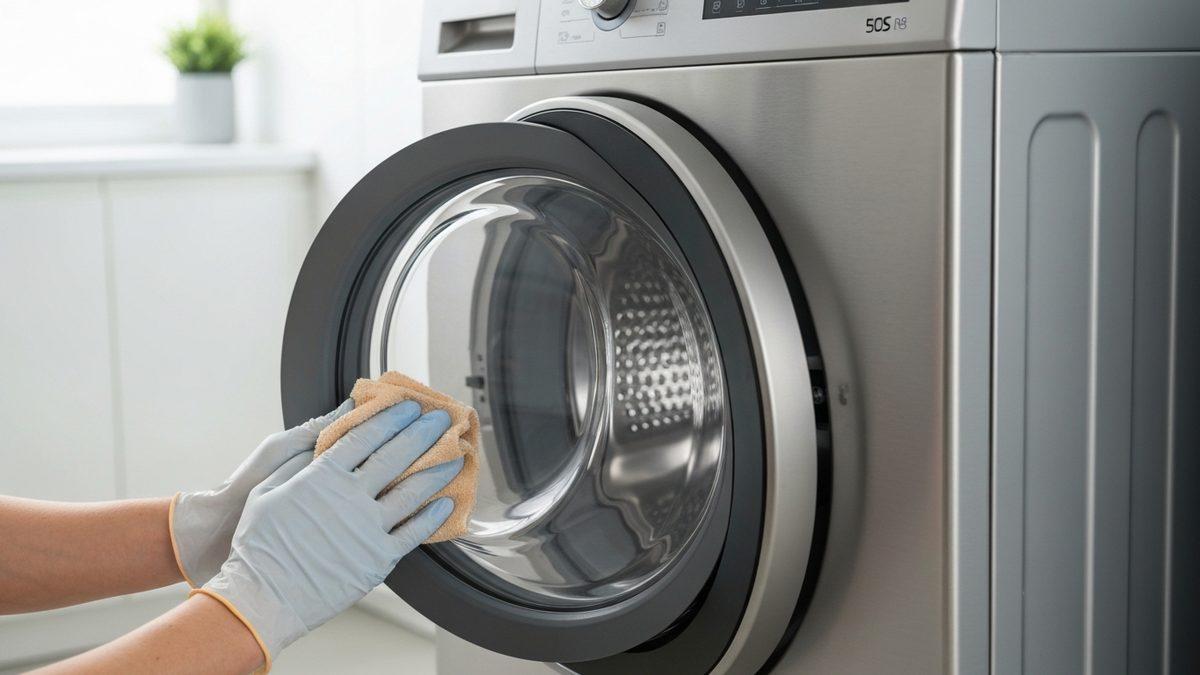
Open a fridge that has not been cleaned in a few months in Bangkok and the smell tells the whole story. Thailand's heat and humidity make refrigerators work harder and spoil food faster, and the constant moisture breeds black mould (กำจัดเชื้อรา) in the rubber door gaskets where most people never look. A deep clean is not just about appearance — it is about food safety, energy efficiency, and getting rid of that stale tropical odour for good. With electricity at roughly ฿4 to ฿5 per unit and a fridge running 24 hours a day, a neglected, hard-working appliance is also quietly inflating your monthly bill. This step-by-step guide walks you through emptying, defrosting, scrubbing, deodorising, and reorganising your fridge so it stays fresh in the climate working against it.
Why Thai humidity is hard on your fridge
A fridge in a tropical kitchen faces conditions most appliance manuals never account for. Understanding the enemy helps you clean smarter and spot trouble before it becomes a smell.
- Constant humidity feeds black mould in the door gaskets and drip channels.
- Frequent door opening in hot rooms causes condensation that pools and breeds bacteria.
- Faster food spoilage means more spills, juices, and odours than in a temperate climate.
- Higher ambient heat makes the compressor run longer, so a dirty coil or blocked vent costs you on the electricity bill.
Before you start: prep and supplies
Pick a cool part of the day and set aside about an hour. Have a cooler box or insulated bag ready so chilled food does not sit out in the heat for too long — in a 32 degree Bangkok kitchen, dairy and raw meat enter the danger zone within an hour.
- Warm water with a little dish soap or a baking-soda solution (one tablespoon per litre).
- White vinegar diluted 1:1 for mould and mineral spots.
- Two microfibre cloths, a soft brush or old toothbrush for gasket grooves, and cotton buds.
- A bowl of baking soda or fresh coffee grounds for deodorising afterwards.
- A cooler box, ice packs, and a bin bag for expired items.
Step-by-step deep clean
Work methodically so nothing chilled sits out longer than necessary, and so you do not miss the hidden mould zones. The whole process takes about an hour the first time and far less once it becomes routine.
- Empty everything into the cooler box and bin anything expired, mouldy, or unidentifiable.
- Switch off or set the fridge to defrost mode, and unplug if you are doing a full clean. Place a towel to catch melt water.
- Remove all shelves, drawers, and door bins. Wash them in the sink with warm soapy water and dry fully — do not return them wet, as trapped moisture is exactly what mould needs.
- Wipe the interior walls top to bottom with the baking-soda solution, reaching back corners and the drip channel.
- Clean the rubber door gaskets thoroughly: use the diluted vinegar and a toothbrush to scrub mould (กำจัดเชื้อรา) out of every fold, then dry completely.
- Wipe the exterior, handle, and the top, where grease and dust collect in a kitchen.
- Pull the fridge out and vacuum or brush the condenser coils at the back or base — dusty coils make the unit overheat and run inefficiently in the Thai heat.
- Dry every surface fully, then power the fridge back on for 20 to 30 minutes before reloading so it returns to a safe temperature.
Defrosting the freezer the right way
If you do not have a frost-free model, ice build-up wastes space and energy. Never chip at ice with a knife — you can puncture the lining and release refrigerant, which ends the appliance's life on the spot.
Instead, switch off the freezer, leave the door open with towels below to catch melt water, and place a bowl of hot water inside to speed melting. Once the ice loosens, lift it out by hand or with a plastic scraper. Wipe dry, then restart. In humid Bangkok, defrosting every two to three months keeps the freezer efficient — a centimetre of frost can raise energy use noticeably because the compressor has to fight through an insulating layer of ice.
Killing odours and keeping them away
A clean fridge can still smell if odour-causing moisture lingers. These habits keep tropical funk from coming back between deep cleans.
- Keep an open box of baking soda or a bowl of dry coffee grounds inside to absorb odours; replace monthly.
- Store strong-smelling foods like durian, fish, and curry in airtight containers.
- Wipe spills the moment they happen rather than letting them dry on.
- Leave a little airflow space between items so cold air circulates and moisture does not pool.
- Check the drip channel and door gaskets monthly for early mould.
Smart organisation for a tropical kitchen
How you load the fridge affects how long food lasts in a climate where spoilage is fast. A simple zoning system reduces waste and the spills that cause odour, and it also helps cold air circulate so the compressor does not overwork.
- Top shelves: ready-to-eat items, leftovers, and drinks where the temperature is steadiest.
- Bottom shelf: raw meat and fish in sealed containers so any drips cannot contaminate other food.
- Crisper drawers: vegetables and fruit, kept separate as some fruit speeds wilting.
- Door bins: condiments and sauces only — never milk or eggs, as the door is the warmest zone.
- Label leftovers with the date; in Thai heat, eat within two to three days.
The food-safety case for a clean fridge
In Thailand's climate, a fridge is your front line against food poisoning, and it can only do that job if it is clean and set correctly. Aim to keep the main compartment at or below 4 degrees Celsius and the freezer at minus 18 — many people run their fridge too warm to save energy and unknowingly shorten how long food stays safe. A cheap fridge thermometer settles the question in a day.
Cross-contamination is the other quiet risk. Raw chicken and seafood, which spoil fast in the heat, should always sit on the bottom shelf in sealed containers so juices cannot drip onto ready-to-eat food below. After cleaning, give the gaskets one final check: a worn or mouldy seal lets warm, humid air leak in, which both raises the temperature and feeds more mould. A simple test is to close the door on a banknote — if it slides out with no resistance, the seal needs attention.
- Set the fridge to 4 degrees Celsius or below and the freezer to minus 18.
- Verify with a thermometer rather than trusting the dial.
- Keep raw meat and seafood sealed on the bottom shelf, always below cooked food.
- Test the door seal with the banknote trick and replace a gasket that has gone slack.
When to bring in a professional
A fridge deep clean is a great DIY task, but it is often folded into a wider kitchen deep clean alongside the oven, range hood, and grout. A full kitchen deep clean in Bangkok typically falls within the ฿1,499 to ฿3,499 deep-clean range depending on size and condition, while a standard clean runs ฿650 to ฿1,800.
If you are moving out, hosting, or simply out of time, a professional reset gets the whole kitchen spotless in one visit. See the options on /services, compare rates on /pricing, or tell us about your kitchen on /contact for a flat quote. For more tropical-kitchen guides, browse our /blog.
Frequently Asked Questions
How often should I deep clean my fridge in Thailand?
A full deep clean every two to three months suits the Thai climate, with a quick weekly wipe of spills and a monthly gasket check for mould. Humidity and faster food spoilage make tropical fridges dirtier than those in cooler countries.
How do I remove black mould from the fridge door seal?
Use white vinegar diluted 1:1 with water and an old toothbrush to scrub the mould (กำจัดเชื้อรา) out of every fold in the rubber gasket, then dry it completely. Drying matters most — mould returns wherever moisture lingers.
What is the safest way to defrost a freezer?
Switch it off, prop the door open with towels underneath, and place a bowl of hot water inside to speed melting. Never chip ice with a knife, which can puncture the lining. Wipe dry and restart once the ice loosens.
How do I get rid of a stubborn fridge smell?
Deep clean every surface including the gaskets and drip channel, then keep an open box of baking soda or dry coffee grounds inside to absorb odours, replacing it monthly. Store strong-smelling foods like durian and fish in airtight containers.
What temperature should my fridge be set to in Thailand?
Keep the main compartment at or below 4 degrees Celsius and the freezer at minus 18. Use a cheap fridge thermometer to confirm, because dials are often inaccurate and running too warm in the tropical heat shortens how long food stays safe.
Why does cleaning the condenser coils matter?
Dusty coils make the compressor run longer and hotter, which wastes electricity and shortens the appliance's life. In Bangkok's heat this matters more than in cooler climates, so brush or vacuum the coils at the back or base every deep clean.
No time to defrost and scrub? CLEANROVA's kitchen deep clean covers your fridge, oven, and more in one visit — request a quote on /contact today.