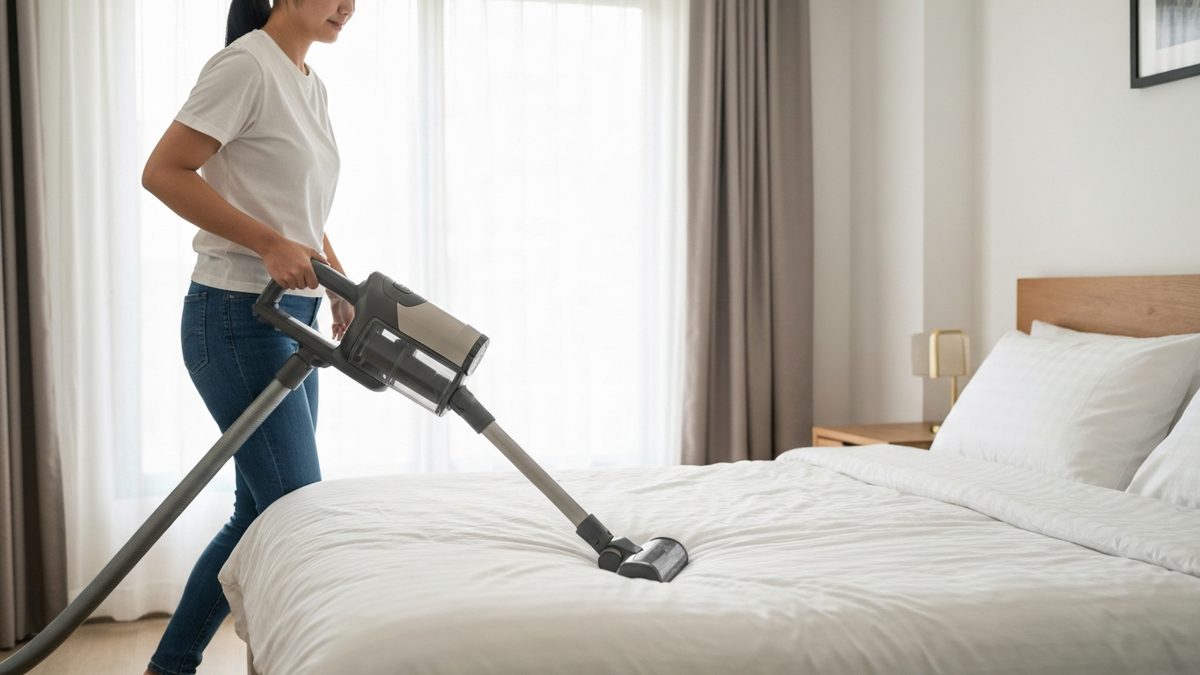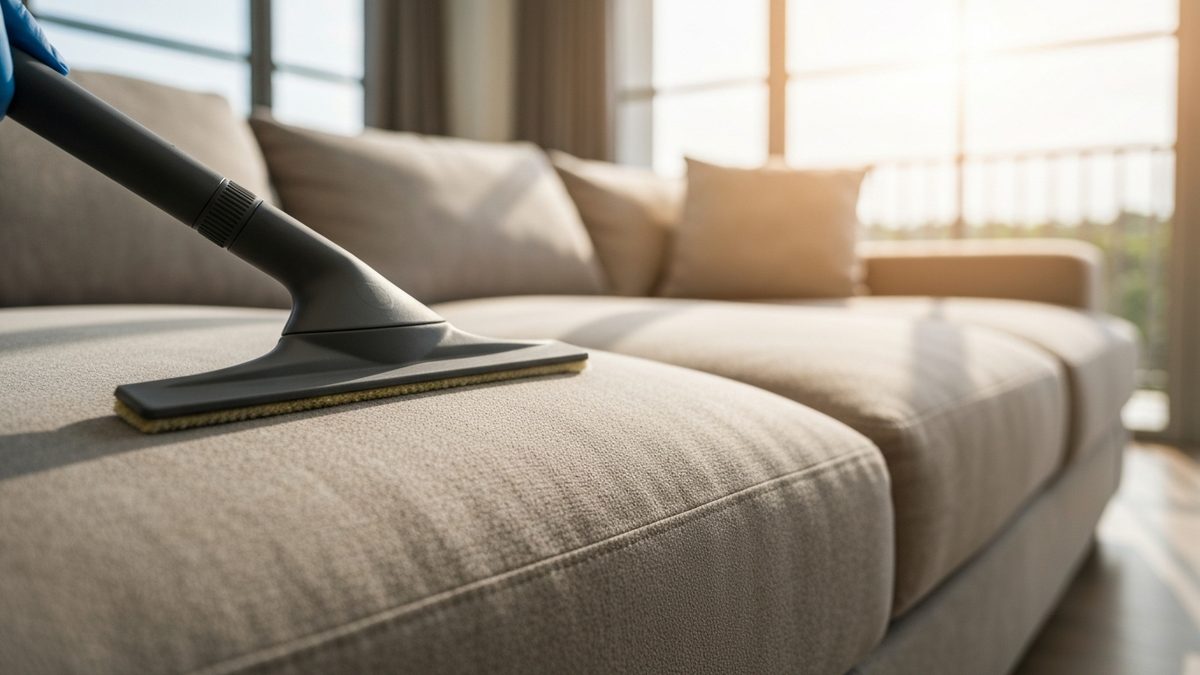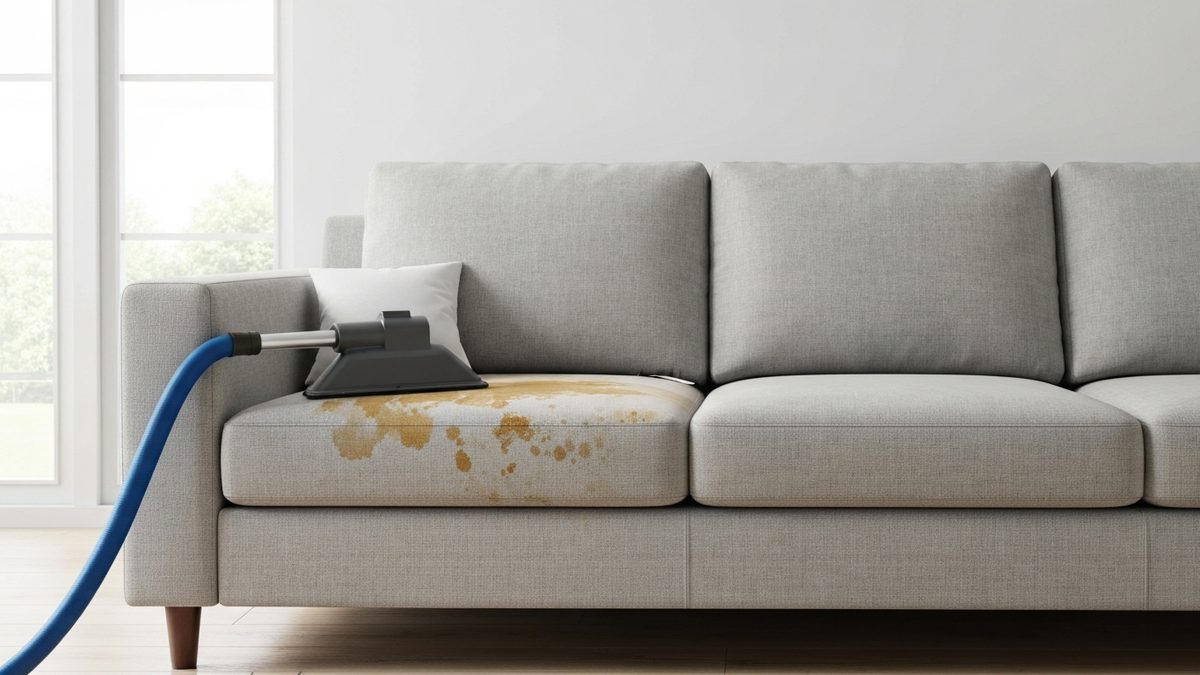
Your sofa and mattress are the two pieces of furniture that absorb the most of Bangkok's heat, humidity, sweat, and skin cells — and they almost never get cleaned. A surface wipe does nothing for what lives 2cm deep in the foam, where a queen mattress can quietly hold the equivalent of a kilogram of shed skin and biological debris over a few years. Professional upholstery cleaning in Bangkok runs ฿800–2,500 per item depending on size and method, and for households with allergies, kids, or a humid bedroom near the BTS line where windows stay shut against street dust, it is one of the highest-impact cleaning spends you can make. This guide breaks down the real ฿ ranges, explains dry versus wet extraction, walks through a worked example so you can see exactly where the money goes, flags the mistakes that lead people to overpay, and shows how to bundle items so you are not paying a separate call-out fee for every cushion. Use it alongside the size-based figures on /pricing.
Sofa and Mattress Cleaning Prices by Item and Size
Prices in Bangkok are driven by surface area and fabric type more than anything else. Here is what a single professional visit typically costs in 2026. Leather and microfiber sometimes carry a small surcharge because they need different solutions and slower drying, and very pale fabrics that show every watermark take extra care that nudges the price toward the top of each band.
Note that these are per-item figures booked on their own. Almost nobody should book a single item at the standalone rate — the call-out cost is baked into each line, which is exactly why the bundling section below matters so much.
- Single mattress (3.5ft): ฿800–1,200
- Queen mattress (5ft): ฿1,200–1,800
- King mattress (6ft): ฿1,500–2,200
- 2-seat sofa: ฿900–1,400
- 3-seat sofa: ฿1,400–2,000
- L-shape / sectional sofa: ฿1,800–2,500
- Single armchair or recliner: ฿500–900
- Dining chair (fabric seat): ฿120–200 each
- Fabric headboard: ฿300–600
- Ottoman or pouffe: ฿250–450
Why Bangkok Humidity Makes This Non-Negotiable
Dust mites thrive at exactly the conditions a Bangkok bedroom provides: 75–80% humidity and 25–30°C. They feed on shed skin and their droppings are a leading household allergen, triggering morning sneezing, itchy eyes, and asthma flare-ups. A mattress more than two years old can host millions of them, and the population peaks in the rainy season when indoor humidity climbs even higher.
Humidity also means moisture gets trapped in foam and fabric, which is how that faint musty smell develops in sofas pushed against a balcony door or an exterior wall that sweats with condensation. Professional extraction pulls that moisture and the biological load out — something no household vacuum or spray reaches, because a domestic vacuum simply does not generate the airflow or suction to lift debris from deep inside the padding. This is the same humidity battle we cover in our condo deep-cleaning guides on /blog, and it is why upholstery that looks fine to the eye can still be the reason someone in the home wakes up congested.
Dry Cleaning vs Wet Extraction: Which You Actually Need
The two main methods price similarly but suit different situations. Choosing wrong wastes money or leaves the job half done. The simplest rule: dry methods refresh and maintain, wet extraction restores and deep-cleans.
- Dry / low-moisture encapsulation — a compound is worked into the fabric and vacuumed out. Dries in 1–2 hours, ideal for delicate fabrics, light refreshes, and rainy-season days when nothing dries. Best for maintenance and for velvet or linen weaves that water can mark.
- Hot water extraction (steam) — hot solution is injected then vacuumed under pressure, lifting deep dirt, sweat salts, and dust mites. Dries in 4–8 hours and is the right call for stained, heavily-used, or never-before-cleaned items.
- UV / sanitizing add-on — some providers offer a UV pass to kill surface microbes for around ฿200–400 extra. Nice for nurseries and allergy sufferers, optional otherwise.
- Stain-specific spot treatment — coffee, ink, or pet accidents may carry a ฿150–400 surcharge per stain because they need targeted chemistry.
- Fabric protection spray — an optional post-clean coat that repels future spills, typically ฿200–500 per item, worth it on light-colored sofas in homes with kids.
A Worked Example: One Sukhumvit Family's Bill
Numbers feel abstract until you see a real basket. Take a typical two-bedroom condo off Sukhumvit Soi 24 — two working parents, a toddler, and a cat. The mother has had worsening morning allergies, so they finally booked a clean after three years of never touching the upholstery.
Their items: one queen mattress (the parents'), one single mattress (the toddler's), one 3-seat sofa with a stubborn coffee stain and faint cat odor, and the fabric headboard in the master bedroom. Booked one by one, the standalone rates would be roughly ฿1,500 + ฿1,000 + ฿1,700 + ฿450 = ฿4,650, plus a ฿300 stain surcharge and a ฿300 sanitizing pass on the toddler's bed, landing near ฿5,250.
Booked as a single bundled visit, CLEANROVA quoted ฿3,900 all-in for the four items, the stain treatment, and the UV pass on the child's mattress — a saving of roughly ฿1,350 simply for grouping the work into one trip. The team used hot water extraction on the sofa and mattresses (heavy use, real stains) and a quick dry pass on the headboard. The mother reported her morning congestion eased within the first week. That is the shape of a worthwhile upholstery spend: targeted method, bundled pricing, measurable payoff.
When It Is Worth It (And When to Skip)
Not every sofa needs ฿2,000 of attention. Spend where the payoff is real, and hold off where it is not.
- Worth it: anyone in the home has allergies, asthma, or eczema
- Worth it: mattress over 2 years old that has never been deep cleaned
- Worth it: visible body-oil shadows, a musty smell, or recent illness in the bed
- Worth it: before a baby arrives or a new tenant moves in
- Worth it: a pet sleeps on the sofa or shares the bed
- Skip for now: furniture under 6 months old with no stains and a protective cover
- Skip for now: items you plan to replace within the year
- Skip for now: a guest-room mattress used a handful of nights a year
Bundle Add-Ons to Cut the Per-Item Price
The single biggest way to overpay is booking items one at a time. Most Bangkok providers, CLEANROVA included, drop the per-item rate when you combine because the call-out cost is shared across the visit.
A common smart bundle: a queen mattress plus a 3-seat sofa booked together often lands around ฿2,500–3,200 total instead of the ฿2,600–3,800 you would pay separately. Pairing upholstery work with a scheduled deep clean (ทำความสะอาดใหญ่) saves even more, since the team is already on site and the per-item rate falls further. Check current combinations on /pricing or ask on /contact for a tailored quote.
- List every fabric item in the home before booking — sofas, mattresses, armchairs, dining seats, headboards, ottomans.
- Group them into one visit rather than several.
- Add an aircon clean (ล้างแอร์, from ฿800) if it is due — same trip, no second call-out.
- Ask whether fabric protection spray is included or extra before you confirm.
- Book a morning slot so wet-extracted items have all day to dry before bedtime.
Red Flags and Common Mistakes
A few avoidable errors cost Bangkok households money or leave them with a worse result than they started with. Watch for these.
- Over-wetting a mattress in a closed, humid room — without airflow it can stay damp for days and breed exactly the mold you were trying to remove
- Paying for a steam clean on a 'dry clean only' tag fabric, which can shrink or watermark velvet and some linens
- Booking items separately across multiple weekends and paying the call-out fee every time
- Skipping a patch test on bright or dyed fabric, then discovering color transfer after the whole piece is wet
- Choosing the cheapest quote without confirming the method — a ฿600 'sofa clean' is often a surface spray, not real extraction
- Replacing the mattress protector dirty after the clean, undoing the work on day one
How Often Should You Clean Them?
In Bangkok's climate, stretch maintenance further with a washable mattress protector and removable sofa covers, but the deep work still has a schedule worth keeping.
- Mattress: deep clean every 6–12 months; flip or rotate monthly
- Sofa: deep clean every 6–9 months in daily-use living rooms
- Allergy households: shorten both intervals by roughly a third
- Pet owners: every 4–6 months, plus spot-cleaning between visits
- Vacuum upholstery weekly to delay buildup between professional cleans
What to Expect on the Day
A standard sofa-and-mattress visit takes 1.5–3 hours depending on item count and method. The team inspects fabric, checks tags, runs a discreet patch test, pre-treats stains, runs the chosen extraction, and leaves windows or aircon on to speed drying. Plan to keep the bed or sofa unused for the drying window — book a mattress clean in the morning so it is ready by night. If you are in a high-floor condo with no easy window airflow, mention it when booking so the team brings a fan or leans toward the dry method. Browse the full upholstery options under /services.
Frequently Asked Questions
How long until I can use the sofa or mattress again?
Dry encapsulation is usable in 1–2 hours. Hot water extraction needs 4–8 hours, so morning bookings are best. Running the aircon or a fan speeds drying considerably in Bangkok humidity, and on a high-floor unit with little airflow it is essential.
Does cleaning actually remove dust mites?
Hot water extraction removes the large majority of dust mites and the allergen droppings they leave behind. Pairing it with a washable protector keeps the population low between cleans, and many allergy sufferers notice easier breathing within the first week.
Is leather more expensive than fabric?
Slightly. Leather needs specific conditioners and gentler handling, so expect a small surcharge over the fabric rates listed, but the per-item range is similar. Tell the provider it is leather when booking so they bring the right products.
Can I bundle this with a regular house clean?
Yes, and you should. Adding upholstery to a scheduled deep clean (ทำความสะอาดใหญ่) shares the call-out cost and usually lowers your effective per-item price. See current bundles on /pricing.
What is the difference between a ฿600 sofa clean and a ฿1,700 one?
Usually the method. Very cheap quotes are often a surface spray-and-wipe that freshens the look but leaves deep dirt and dust mites in place. A proper hot water extraction reaches into the padding. Always confirm the method before booking on /contact.
Tired of sleeping on years of dust and sweat? Get a same-visit quote for your sofas and mattresses on /pricing or book a deep-clean bundle through /contact — your allergies will thank you.