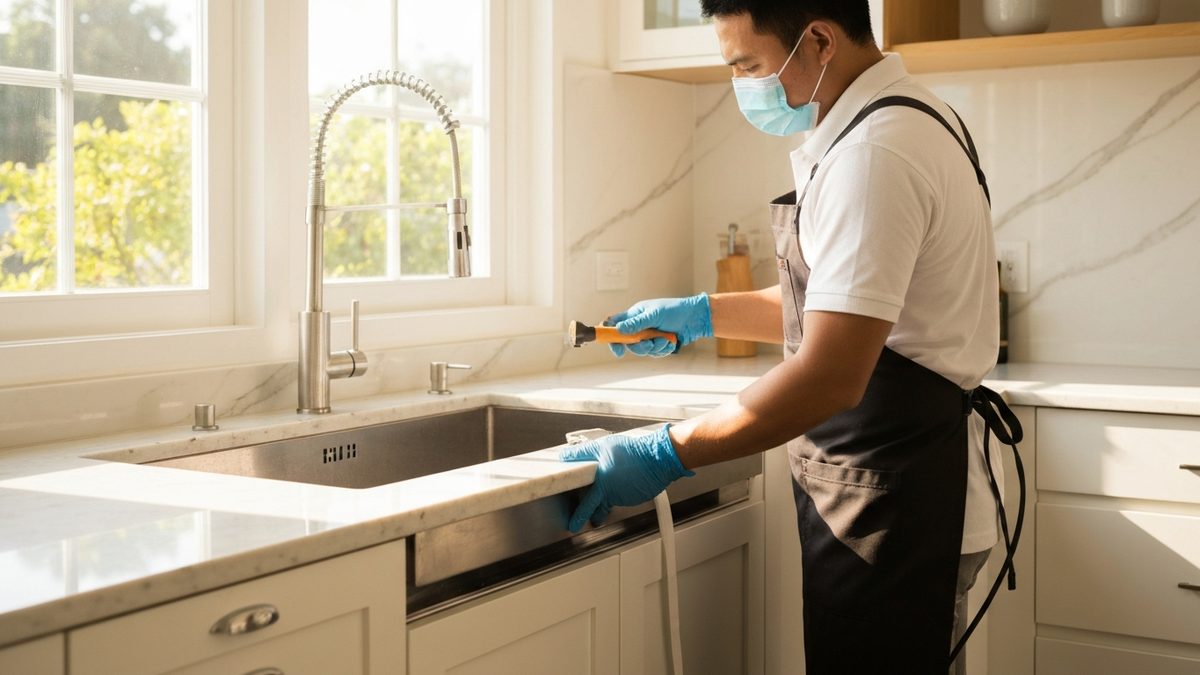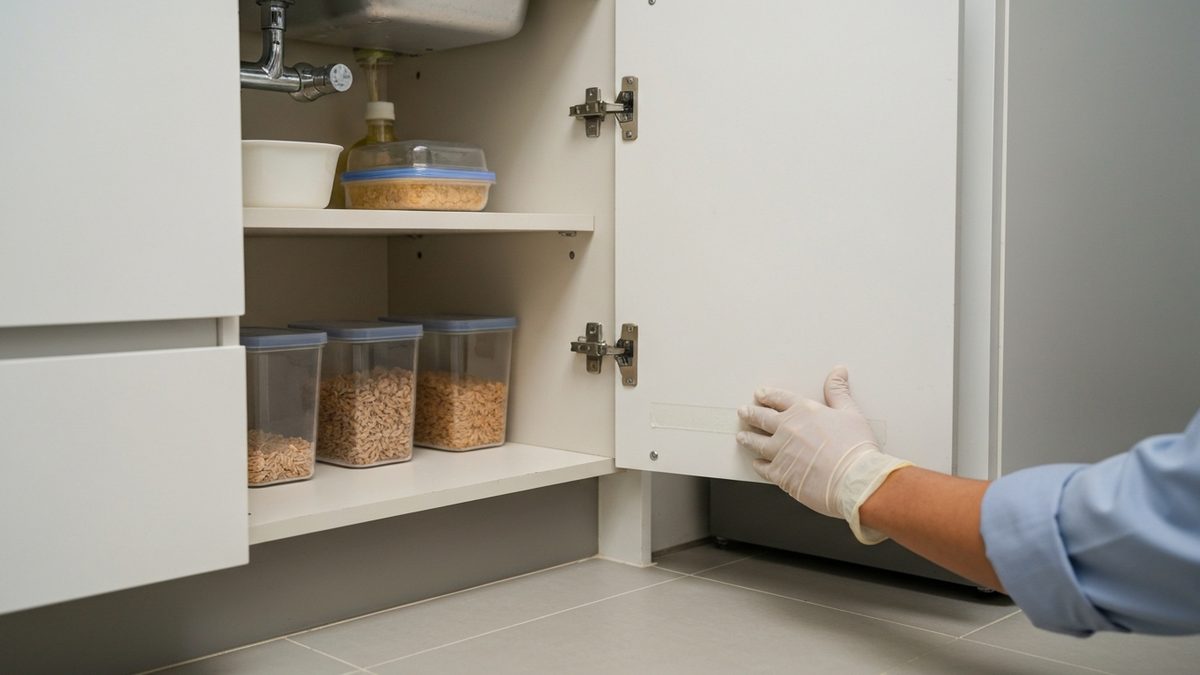
Rats are part of Bangkok's ecosystem — they thrive in the city's dense housing, abundant street food, open klongs, and extensive drainage network, and they breed year-round in the warm climate with no seasonal slowdown. For a homeowner, a rat in the kitchen is alarming. For a restaurant or food business, it is an existential threat: a single sighting by a customer or a public-health inspector can close your doors and end up on social media before you have finished cleaning up. Rodents are not just a nuisance; they gnaw through electrical wiring, a genuine and documented fire risk, they contaminate far more food than they eat, and they carry serious disease. This guide covers how rodents get in, how to keep them out, the trap-versus-bait decision, the sanitation that underpins everything, the real health risks, and what professional rodent control (กำจัดหนู) costs in Bangkok — for both homes and commercial kitchens.
Know your enemy: roof rats, Norway rats, and mice
Three rodents dominate Bangkok, and identifying which you have shapes where you place control measures, because they live and travel in completely different parts of a building.
Roof rats (black rats, Rattus rattus) are agile, lightweight climbers that tend to enter high — via roofs, overhanging branches, vines, overhead pipes, cables, and upper-floor gaps. If you hear scratching in the ceiling or above a false ceiling, roof rats are the usual suspect. Norway rats (brown rats, Rattus norvegicus) are larger, heavier, ground-dwelling burrowers that come up through drains, sewers, broken pipes, and ground-floor gaps; they dominate at street level and around bins. House mice are small, curious, breed prodigiously — a single pair can become dozens within months — and can slip through a gap the width of a pencil, around 6mm. The signs overlap and are worth learning: droppings (rat droppings are rice-grain to bean sized, mouse droppings tiny), gnaw marks on packaging and woodwork, greasy dark rub marks along walls and pipe runs where their oily fur repeatedly brushes, scratching and gnawing noises at night, and a distinctive musky ammonia smell in a heavily used area.
Find and seal the entry points
Rodent control fails when people poison or trap the rats already inside but leave the door open for the next ones to walk straight in. Exclusion — physically sealing the entry points — is the foundation of any lasting solution, and without it every other measure is temporary. Rats can squeeze through a gap of about 1.5cm, mice through far less, and both can enlarge a small gap by gnawing, so the standard is to seal completely with materials they cannot chew.
Inspect methodically, working around the building, and seal as you go rather than making a list you never return to:
- Check where pipes and cables enter the building — these service penetrations are the number-one entry route in Bangkok homes, especially around the kitchen and bathroom plumbing.
- Inspect floor drains and wastes; fit rodent guards, one-way flaps, or metal grilles where Norway rats come up from the sewer system, which is one of their favourite routes in this city.
- Examine door sweeps, especially on kitchen and back doors that open to a soi or service area — a worn 2cm gap under a door is an open invitation that many homes overlook.
- Look at the roofline, eaves, soffits, and any overhanging branches, vines, or pipes that give roof rats a climbing route to an upper-floor gap or a vent.
- Seal gaps with steel wool packed tight and finished with sealant, or with metal mesh or sheet metal — rodents chew straight through expanding foam, plastic, and wood, so those materials only delay them.
Traps versus bait stations
The two main control tools are traps and bait stations, and each has a clear, distinct place. The right choice depends heavily on whether you are in a home or a food business, and the most common mistake is using poison indoors where it causes more problems than it solves.
Traps — snap traps and live-catch traps — kill or capture rodents on the spot, so you can locate and remove the carcass immediately. This avoids the single worst problem with poison used indoors: a rodent retreats into a wall cavity or ceiling void to die and creates a powerful, lingering stench that can persist for one to three weeks while the body dries out, with no easy way to remove it. Traps are usually the better first choice inside homes, and they are strongly preferred inside food premises where a hidden decomposing rodent would be both a contamination risk and a compliance failure.
Bait stations — tamper-resistant lockable boxes containing rodenticide — are powerful for reducing a population, particularly around the building's exterior perimeter where they intercept rodents before they reach the structure. They must always be secured boxes, never loose pellets or blocks, to keep children, pets, and non-target animals such as birds and the neighbourhood cats safe. Because poisoned rodents may die out of sight, bait is best deployed outdoors or in inaccessible voids by professionals who understand placement, dosing, and the risk of secondary poisoning.
- Inside a home or kitchen: lead with traps to avoid dead-rodent odour trapped in walls and ceilings.
- Around the exterior perimeter: secured, tamper-resistant bait stations to intercept rodents before they enter.
- Never use loose poison anywhere children, pets, or food are present — it is unsafe and often illegal in food premises.
- Combine exclusion, trapping, and perimeter baiting for the best result — no single tool is enough on its own, and skipping exclusion guarantees the problem returns.
Sanitation: remove the food and they leave
Rodents stay where there is food and shelter, and they have remarkable noses for both. Cut off the food supply and even a well-established population dwindles, because rodents will not maintain numbers a site cannot feed. Sanitation is non-negotiable, and it is precisely what separates a one-off success from a recurring, money-draining problem.
Store dry food and waste in sealed, gnaw-proof containers — heavy plastic with locking lids or metal, not cardboard or thin bags that rodents open in seconds. Clear clutter such as stacked boxes, unused equipment, and piles of bags that provide warm, undisturbed nesting sites. Take rubbish out nightly and keep external bins tightly lidded and, ideally, off the ground — open or overflowing bins are an all-night buffet that sustains an entire local rat population. For restaurants this discipline extends to grease traps, dry storerooms, the space behind and beneath cooking lines, and the area around delivery doors, all of which must be cleaned daily and kept clear. A genuinely spotless kitchen with no accessible food is the most effective long-term rodent deterrent there is, more powerful than any trap or bait.
The disease and damage risk
Rodents are not merely unpleasant — they carry real health and safety hazards that justify treating them seriously rather than tolerating the odd sighting. In Thailand, rats are associated with leptospirosis, a bacterial disease spread through their urine that becomes a particular risk during the seasonal flooding Bangkok experiences, when contaminated water spreads widely. They also contaminate food and surfaces with bacteria such as Salmonella through their droppings, urine, and hair, and they can carry parasites and the fleas and mites that travel on them.
On the property side, rodents must gnaw constantly to wear down their continuously growing incisors, and chewed electrical wiring is a documented cause of house and building fires — an expensive and dangerous outcome of an unaddressed infestation. For food businesses, the risk is also regulatory and reputational: visible evidence of rodents can trigger fines, forced closure, failed inspections, and online reviews that are very hard to recover from. This combination of health, fire, and business risk is why commercial premises in particular should treat rodent control as ongoing infrastructure, like refrigeration or fire safety, rather than an emergency call made only after a sighting.
Special considerations for restaurants and food businesses
Food businesses operate under a different standard than homes, and a reactive, one-off approach simply does not meet it. Inspectors and serious delivery platforms increasingly expect evidence of an active, documented pest-management programme, not just a clean floor on the day they happen to visit.
A proper commercial programme includes scheduled monitoring visits, a mapped network of numbered bait stations and traps, written records of every inspection and any activity found, and prompt corrective action when monitoring catches an early sign. This paper trail matters: when an inspector arrives, the difference between a venue that can produce a months-long log of professional rodent management and one that cannot is often the difference between passing and a costly problem. The programme also catches issues while they are small — a single dropping behind a station noted on a Tuesday is dealt with before it becomes a customer-visible infestation on a Saturday night. See /services for what a commercial contract covers.
Realistic Bangkok pricing and contracts
For rodent control (กำจัดหนู), a one-time professional treatment for a Bangkok home — inspection, trapping, perimeter baiting where appropriate, and an entry-point advice report — typically runs ฿1,500–4,000 depending on the size of the property and the severity of the infestation. Active sealing of multiple entry points is sometimes a separate line item, since exclusion work takes time and materials, and it is the part most worth paying for because it prevents the next infestation.
For restaurants and food businesses, a recurring contract is the sensible and often necessary model rather than one-off visits. Monthly commercial rodent-management contracts commonly run ฿2,000–6,000 or more per month depending on the size of the premises, the number of bait stations and monitoring points, and the visit frequency required — and the documentation those contracts produce is frequently expected for food-safety compliance. Homes that are prone to repeat issues, for example those near a klong, a market, or a construction site, can opt for a lighter quarterly plan that keeps pressure off without the cost of monthly service. See /services for what a contract includes, /pricing for current figures, or contact us via /contact for a site-specific quote.
Frequently Asked Questions
I poisoned a rat and now there is an awful smell — what happened?
The rodent almost certainly died inside a wall, ceiling, or floor void, and the smell will linger for one to three weeks until the carcass fully dries out. This is exactly why we favour traps indoors, so the body can be located and removed immediately rather than left to decompose where you cannot reach it. For an existing dead-rodent odour we can help locate and remove the source, but prevention through trapping is far better than dealing with it after the fact.
How small a gap can a rat get through?
A rat can squeeze through a gap of roughly 1.5cm and a mouse through about 6mm, the width of a pencil, and both can enlarge a smaller opening by gnawing. That is why sealing entry points with gnaw-proof materials like tightly packed steel wool, metal mesh, or sheet metal is essential — rodents chew straight through expanding foam, plastic, and wood, so those materials only buy you a little time.
Is rodent bait safe to use at home with kids and pets?
Loose poison is not safe and should never be used where children or pets can reach it, and there is also a risk of secondary poisoning if a pet eats a poisoned rodent. If rodenticide is used at all, it must be inside secured, tamper-resistant bait stations, and indoors we generally prefer traps for exactly this reason. We assess your household, including pets and children, and recommend the safest approach that will still be effective.
Does my restaurant really need a monthly contract?
For food premises, in practice yes — ongoing monitoring catches problems while they are small, continuously deters new rodents, and produces the written documentation that food-safety inspections increasingly expect to see. A single reactive treatment cannot provide that continuous protection or the records, and the cost of a contract is minor next to the cost of a forced closure or a viral review showing a rat in your dining room.
How quickly can a rodent infestation grow if I ignore it?
Very quickly. Rats and mice breed year-round in Bangkok's warm climate, and a single breeding pair can produce dozens of offspring within a few months as those offspring breed in turn. What looks like one rat today can be an established colony within a season, which is why acting at the first signs — droppings, gnaw marks, or night-time scratching — is far cheaper and easier than waiting until the problem is obvious.
Hearing scratching at night or seeing droppings in the kitchen? Act before it becomes an infestation. Book CLEANROVA for rodent inspection, sealing, and control — for homes and food businesses alike. Reach us at /contact or see contract options on /pricing.