Bangkok's heat, humidity, and density make it one of the most pest-friendly cities on earth, and the cost of dealing with each pest varies wildly depending on what you are fighting. A one-off cockroach (กำจัดแมลงสาบ) spray is cheap; a termite (กำจัดปลวก) colony under your floor is a serious investment. The problem is that pest control companies rarely publish clear prices, so homeowners get blindsided by quotes that range from a few hundred baht to tens of thousands. This 2026 guide breaks down Bangkok pest control costs by pest type, explains the difference between one-time and contract treatments, and shows you which approach saves money over the year.
Cockroaches: the most common and most affordable
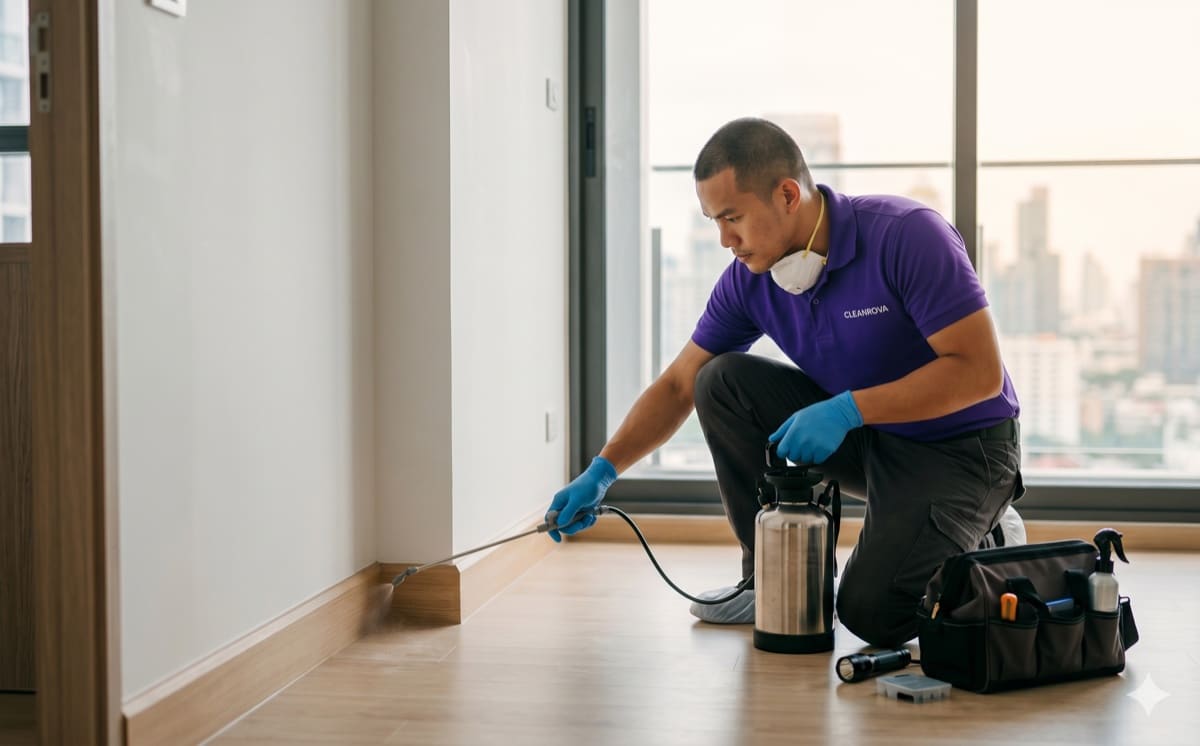
Cockroach control (กำจัดแมลงสาบ) is the bread and butter of Bangkok pest services. For a standard condo or townhouse, a one-time gel-bait and spray treatment runs ฿800–฿1,500. The price scales with property size and severity — a heavily infested kitchen or a restaurant kitchen costs more.
Because cockroaches reinfest constantly in Bangkok, many households move to a quarterly contract rather than repeated one-off visits, which works out cheaper per treatment. The German cockroach in particular breeds year-round in warm condo kitchens, so a single spray clears the visible adults but rarely the egg cases — which is exactly why a contract with follow-up baiting outperforms repeated panic sprays.
- One-time condo treatment: ฿800–฿1,500
- One-time house treatment: ฿1,200–฿2,500
- Quarterly contract (4 visits/year): ฿3,000–฿6,000/year
Ants: cheap to treat, tricky to eliminate
Ant control is inexpensive per visit but requires baiting the colony rather than just killing the trail you see, which is why a single spray often fails. A proper ant treatment for a Bangkok condo kitchen runs ฿700–฿1,500 and targets nesting sites, entry points, and trails with bait gel and residual barriers.
Persistent ant problems usually need two visits a few weeks apart to break the colony cycle, so confirm whether a follow-up is included in the quote. Spraying a visible trail can even make things worse by triggering the colony to bud into multiple smaller nests — the reason professionals bait rather than blast.
- One-time ant treatment (condo): ฿700–฿1,500
- One-time ant treatment (house): ฿1,200–฿2,500
- Recommended follow-up visit: often included or ฿500–฿800
Termites: the most expensive — and the most important
Termites (กำจัดปลวก) are the costliest pest to deal with because untreated colonies destroy wooden structures, doors, and flooring across a Thai home. Treatment cost depends heavily on method and property size.
Spot treatment of an active infestation is the cheaper end. Full soil-injection or a piped bait-station system around the property is the gold standard for houses and carries an annual warranty. For high-value homes this is insurance, not just pest control — a subterranean colony can hollow out a hardwood door frame or a parquet floor in months, and the repair bill dwarfs even a ฿50,000 barrier system.
- Spot treatment of active termites: ฿2,500–฿6,000
- Soil injection / chemical barrier (house): ฿15,000–฿40,000 depending on size
- Bait station system with annual warranty: ฿20,000–฿50,000+ first year
- Annual warranty renewal/inspection: ฿3,000–฿8,000/year
Bed bugs: priced by rooms and treatment method
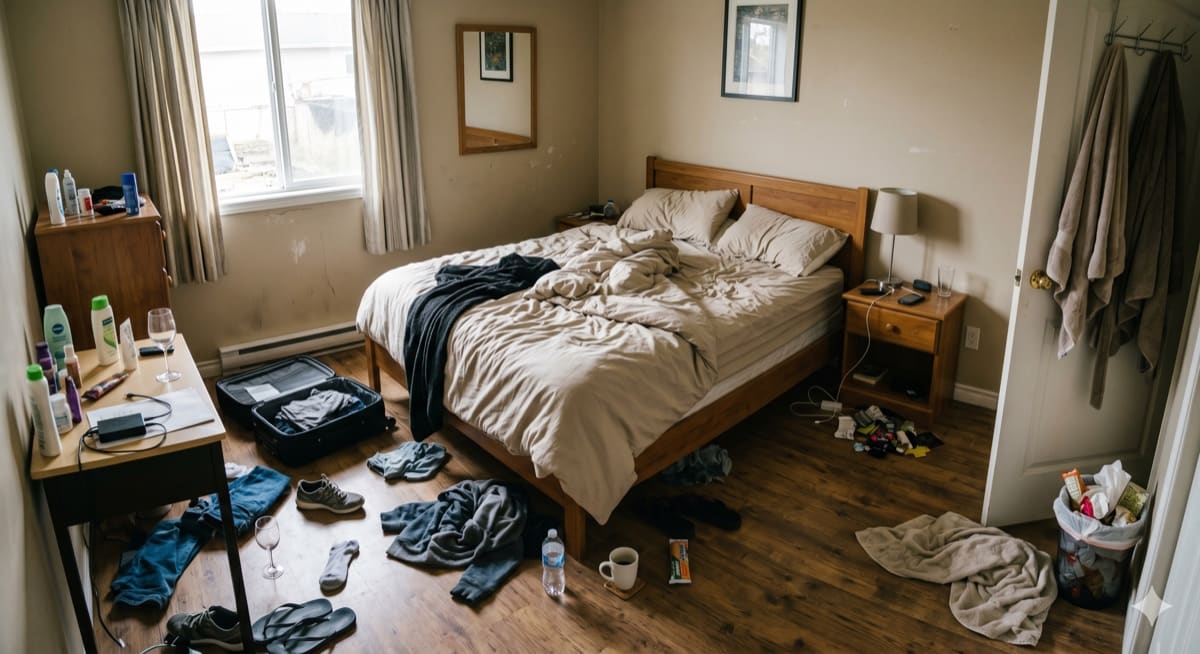
Bed bug (treatment varies between chemical and heat) costs in Bangkok depend on how many rooms are affected and which method is used. Chemical treatment is cheaper upfront but usually needs two or three repeat visits; heat treatment costs more per session but can clear a room in one go.
Bed bugs spread fast through a property, so under-treating to save money almost always costs more in the end. They hitchhike on luggage and second-hand furniture, which makes them a recurring risk in guesthouses, dorms, and Airbnb units near tourist areas — and a reason hosts should inspect between guests rather than wait for complaints.
- Single-room chemical treatment: ฿2,000–฿4,000 (plus repeat visits)
- Whole-condo chemical treatment: ฿4,000–฿8,000
- Heat treatment per room: ฿5,000–฿12,000
- Follow-up visits (chemical): often required, ฿1,000–฿2,500 each
Rodents and mosquitoes: the supporting cast
Rodents and mosquitoes round out the common Bangkok pest list. Rodent control combines trapping, baiting, and entry-point sealing, while mosquito control relies on fogging and larvicide treatment of standing water, often on a recurring schedule during the rainy season.
- Rodent control, one-time: ฿1,500–฿3,500
- Rodent control with monthly monitoring: ฿800–฿1,500/month
- Mosquito fogging, one-time (house/garden): ฿1,200–฿3,000
- Mosquito control seasonal contract: ฿4,000–฿9,000/year
The seasonal angle: timing your treatment
Bangkok's pest pressure is not constant through the year, and timing your treatment to the season can save money and prevent a small problem from exploding. The rainy season, roughly May through October, is the single biggest driver of pest activity in the city.
Mosquitoes peak in the rains because every saucer, drain, and rooftop puddle becomes a breeding site, which is why seasonal fogging contracts are priced around the wet months. Termites also swarm at the start of the rains, sending out winged reproductives looking for new colony sites — spotting a sudden cloud of flying 'ants' near lights after the first heavy rain is often the first warning of a termite problem. Cockroaches and rodents, meanwhile, push indoors during both the heaviest rains and the hottest stretch of the hot season as they seek shelter and water.
The practical takeaway is to schedule preventive treatment just before the rains rather than reacting after an outbreak, and to book termite inspections in the same window when swarming makes activity easiest to detect. A pre-season check on /contact is far cheaper than an in-season emergency call-out.
- Before the rains (April–May): book preventive mosquito and termite inspection
- Peak rains (June–September): seasonal mosquito fogging delivers the most value
- Hot season (March–April): expect cockroaches and rodents to push indoors toward water
One-time versus contract: which saves money
The single biggest decision is whether to pay per incident or sign a service contract. Here is how to choose for your situation.
- Choose one-time treatment for a single, contained outbreak — for example, ants appearing once or a one-off cockroach problem after a neighbor's renovation.
- Choose a contract when the pest reinfests predictably, such as cockroaches and mosquitoes in Bangkok's climate, because per-visit cost drops sharply.
- Always choose a warranty contract for termites, since the warranty pays for re-treatment if the colony returns.
- Compare the annual total, not the per-visit headline: four one-off cockroach treatments at ฿1,200 each (฿4,800) cost more than a ฿3,500 quarterly contract.
- Confirm whether follow-up visits are included, especially for ants and bed bugs where one visit rarely finishes the job.
How to compare pest control quotes fairly
Pest control quotes are hard to compare because companies bundle things differently. Standardize them before you decide: ask for the chemical or method used, the number of visits included, the warranty period, and whether the price covers the whole property or just the affected area.
A ฿2,000 termite quote and a ฿20,000 termite quote are not competing for the same job — one is a spot treatment, the other a whole-property barrier with a warranty. See full pest control pricing on /pricing, review treatment scopes on /services, and get a property-specific quote through /contact. For pest-by-pest removal guides, the /blog covers cockroaches, termites, and bed bugs in detail.
- Ask for the exact chemical or method and whether it is licensed for residential use
- Confirm how many visits are included and over what period
- Check the warranty length and what triggers a free re-treatment
- Clarify whether the price covers the whole property or only the affected room
- Get the quote itemized in writing so a spot treatment is never compared against a full barrier
A worked example: a townhouse with two problems at once
It is common in Bangkok for a home to face more than one pest, and seeing how the costs stack helps you prioritize. Picture a two-story townhouse where the owner notices both a recurring cockroach problem in the kitchen and, after the first heavy rain, a swarm of winged termites near the porch light.
The sensible plan treats the termites as the urgent, high-stakes issue: a professional inspection confirms an active subterranean colony, and a soil-injection barrier with an annual warranty comes in around ฿22,000 for the property — expensive, but trivial next to the cost of replacing termite-eaten staircases and door frames. The cockroaches, by contrast, are a comfort-and-hygiene issue best handled with a ฿3,500 quarterly contract that keeps them suppressed year-round at a far lower per-visit cost than repeated emergency sprays.
The lesson is to rank pests by the damage they do, not by how much they bother you day to day. A cockroach is annoying but cheap to manage; a termite colony is quiet but ruinous. Spending the larger sum where structural damage is on the line, and a modest recurring sum on the nuisance pests, is how experienced Bangkok homeowners keep their total pest bill predictable. Book a combined inspection through /contact to price your own situation.
Frequently Asked Questions
How much does cockroach control cost in a Bangkok condo?
A one-time cockroach treatment (กำจัดแมลงสาบ) for a condo runs ฿800–฿1,500 in 2026, while a quarterly contract covering four visits a year costs ฿3,000–฿6,000. Because Bangkok cockroaches reinfest constantly, a contract is usually cheaper per treatment.
Why is termite treatment so much more expensive than other pests?
Termites (กำจัดปลวก) cause structural damage to wood, so treatment goes far beyond spraying — a full soil-injection barrier or bait-station system for a house costs ฿15,000–฿50,000 and comes with an annual warranty. Spot treatment of a localized infestation is cheaper at ฿2,500–฿6,000.
Is heat or chemical treatment better value for bed bugs?
Chemical treatment is cheaper per visit (฿2,000–฿4,000 per room) but usually needs two or three repeat visits, while heat treatment costs ฿5,000–฿12,000 per room but can clear it in one session. For a single severe room, heat often works out comparable once repeat chemical visits are counted.
Should I pay per visit or sign a pest control contract?
Pay one-time for a single contained outbreak, but sign a contract for pests that reinfest predictably like cockroaches and rainy-season mosquitoes, since per-visit cost drops sharply. Always take a warranty contract for termites so re-treatment is covered.
When is the best time of year to book pest control in Bangkok?
Just before the rainy season, around April and May, is ideal for preventive mosquito and termite work, since wet-season puddles fuel mosquito breeding and the first rains trigger termite swarming. Booking ahead of the season is cheaper than an emergency call-out once an infestation is in full swing.
Whatever is crawling, biting, or chewing through your Bangkok home, get a clear by-pest quote with no surprises — book your inspection on the CLEANROVA /pricing page now.